



Parasite
Antiparasitics are a class of medications which are indicated for the treatment of parasitic diseases such as nematodes, cestodes, trematodes, and infectious protozoa.
Parasite Isoform Specific Products
All Product Categories
-
Parasite Related Products (2504)
Related Products (2504)

-
Related Compound Screening Libraries (1)
-
Parasite Isoform Comparison
-
Manzamine A
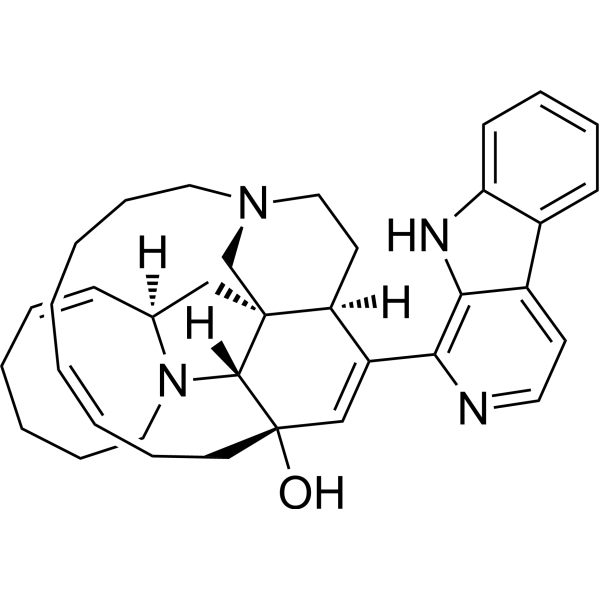 0 ImagesSynonyms: Keramamine AManzamine A, an orally active beta-carboline alkaloid, inhibits specifically GSK-3β and CDK-5 with IC50s of 10.2 μM and 1.5 μM, respectively. Manzamine A targets vacuolar ATPases and inhibits autophagy in pancreatic cancer cells. Manzamine A has antimalarial and anticancer activities. Manzamine A also shows potent activity against HSV-1.
-
Psicofuranine
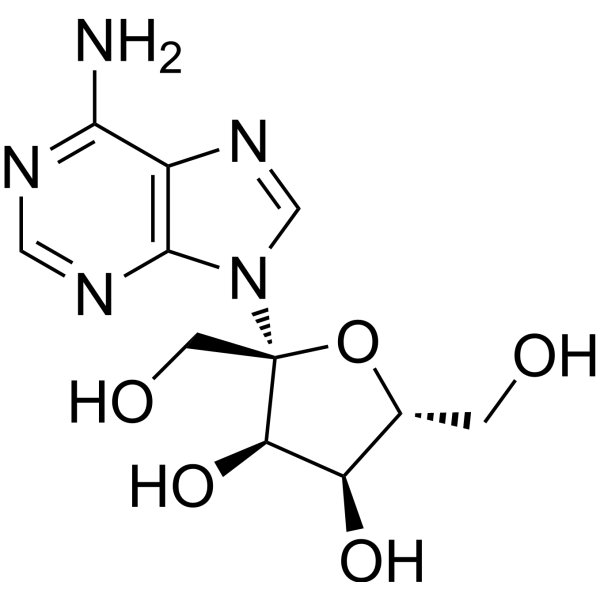 0 ImagesPsicofuramine a nucleoside antibiotic and has the inhibition of xanthosine 5'-phosphate aminase. Psicofuranine also specifically inhibits GMP synthase, and interrupts parasite growth. Psicofuranine exhibits a dose-dependent inhibition of P. falciparum growth.
-
BPH-715
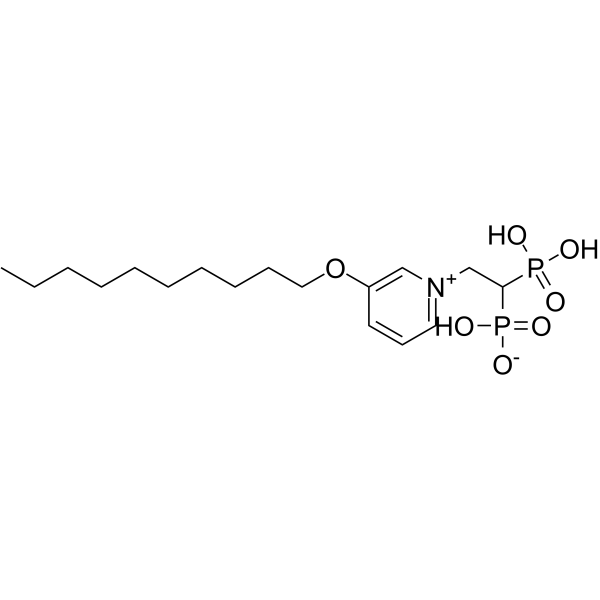 0 ImagesBPH-715 is a bisphosphonate, inhibits Plasmodium liver-stage growth, with an IC50 of 10 μM for Plasmodium exoerythrocytic forms in HepG2 cells.
-
Polyphyllin C
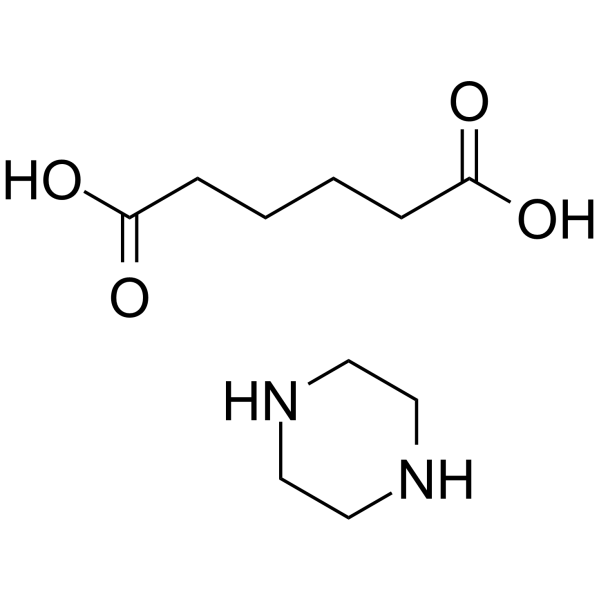
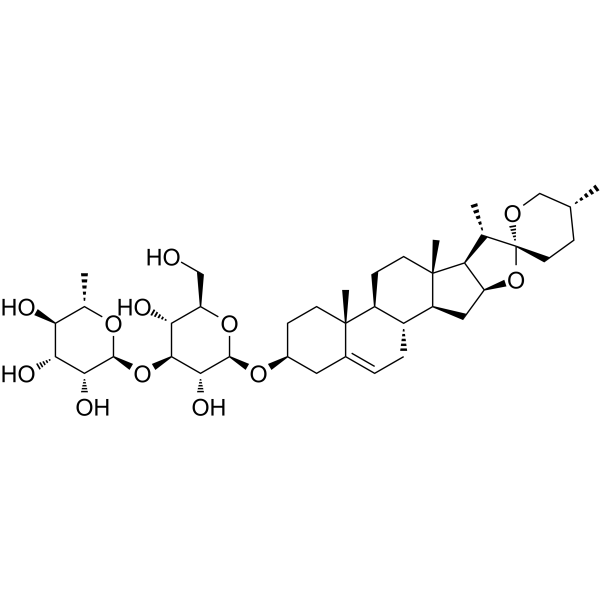 0 ImagesCat. No.: HY-W019829CAS No.: 76296-71-4Polyphyllin C (compound 2) is a spirostanol saponin. Polyphyllin C exhibits mild (IC50=36.87 µM) activities against the tyrosinase and moderate (IC50=1.59 µg/mL) antileishmanial activities.
-
Thiabendazole (Standard)
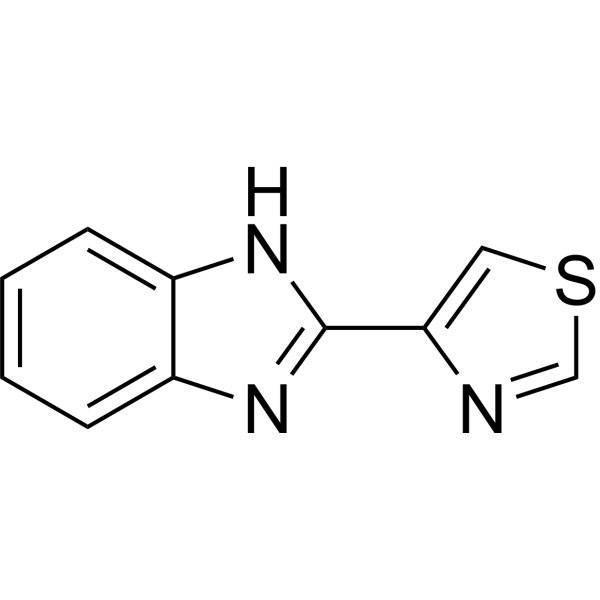 0 ImagesSynonyms: Tiabendazole (Standard); 2-(4-Thiazolyl)benzimidazole (Standard)Thiabendazole (Standard) is the analytical standard of Thiabendazole. This product is intended for research and analytical applications. Thiabendazole inhibits worm-specific fumarate reductase and has anthelmintic properties.
-
Dapsone-13C12
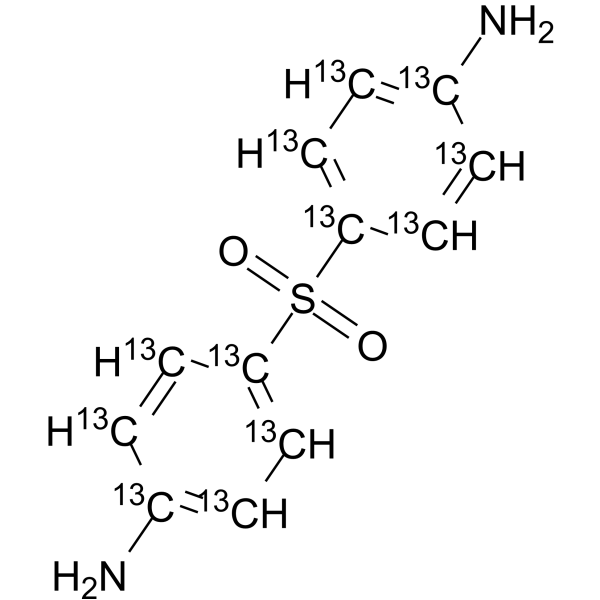 0 ImagesSynonyms: 4,4′-Diaminodiphenyl sulfone-13C12; DDS-13C12Dapsone-13C12 is the 13C12 labeled Dapsone (HY-B0688). Dapsone (4,4′-Diaminodiphenyl sulfone) is an orally active and blood-brain penetrant sulfonamide antibiotic with bacteriostatic, antimycobacterial and antiprotozoal activities. Dapsone exerts effective antileprosy activity and inhibits folate synthesis in cell extracts of M. leprae. Dapsone is used for dermatologic disorder research, including leprosy, dermatitis herpetiformis, acne vulgaris et al.
-
Diminazene
 0 ImagesCat. No.: HY-W342283CAS No.: 536-71-0Diminazene is an antiparasitic agent widely used to treat parasitic diseases caused by hemoparasites (such as trypanosomes and babesia). Diminazene acts as an ACE2 activator and exerts cardiovascular protective effects by activating the ACE2/Ang-(1-7)/Mas receptor axis. By regulating gut microbiota-tryptophan metabolism, Diminazene inhibits the activation of core inflammatory signaling pathways including MAPK, STAT and NF-κB, increases central 5-HT levels, and suppresses splenic TNF-α production, thereby alleviating systemic inflammation.
-
Sulfadoxine (Standard)
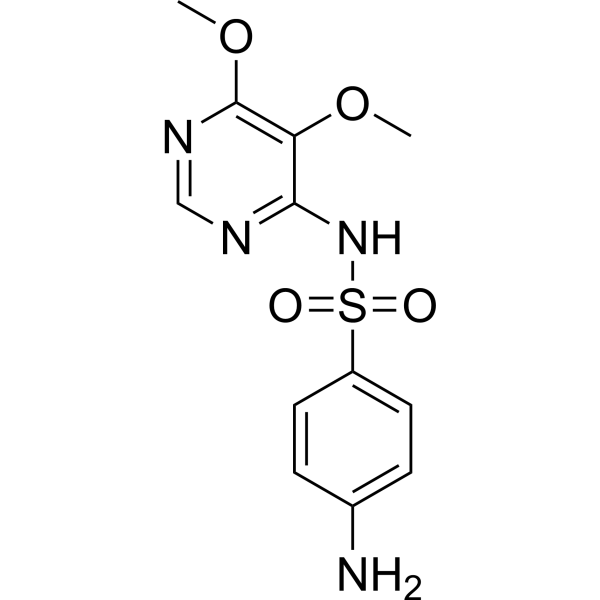 0 ImagesSulfadoxine (Standard) is the analytical standard of Sulfadoxine. This product is intended for research and analytical applications. Sulfadoxine(Sulphadoxine) is a long acting sulfonamide that is used, usually in combination with other agents, for respiratory, urinary tract and malarial infections. Sulfadoxine inhibits HIV replication in peripheral blood mononuclear cells.
-
Methyl stearate-d35
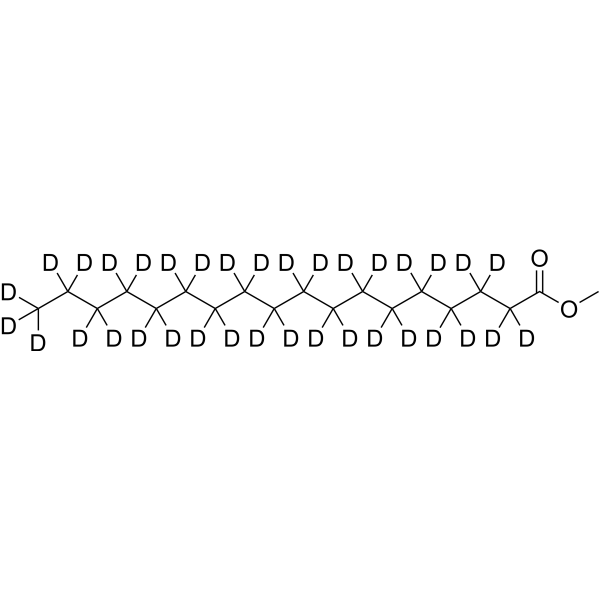 0 ImagesCat. No.: HY-B1934S1CAS No.: 29823-25-4Methyl stearate-d35 is the deuterium labeled Methyl stearate (HY-B1934) . Methyl stearate, isolated from Rheum palmatum L. is a compopent of of soybean and rapeseed biodiesels.
-
Prodigiosin hydrochloride
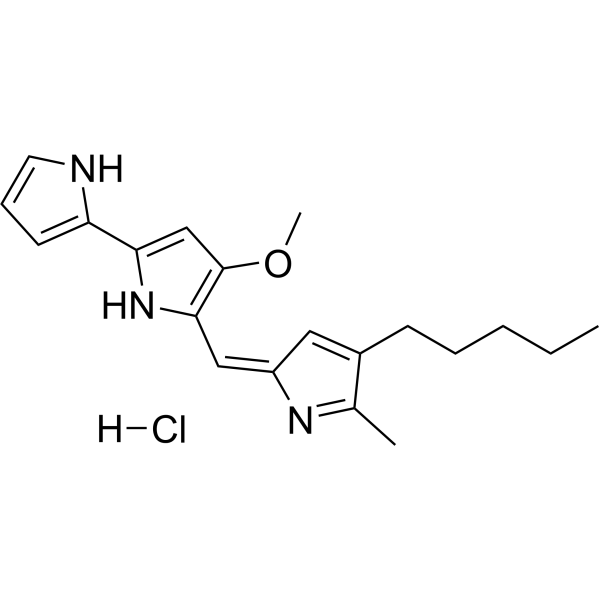 0 ImagesSynonyms: Prodigiosine hydrochlorideProdigiosin (Prodigiosine) hydrochloride is a red pigment produced by bacteria as a bioactive secondary metabolite. Prodigiosin hydrochloride is a potent proapoptotic agent, and inhibits Wnt/β-catenin pathway. Prodigiosin hydrochloride has antibacterial, antifungal, antiprotozoal, antimalarial, immunosuppressive, and anticancer properties.
-
ISPA-28
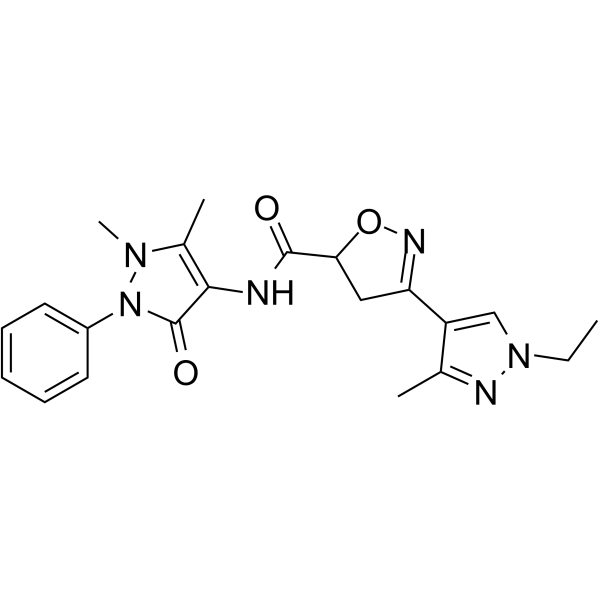 0 ImagesISPA-28 is a specific plasmodial surface anion channel (PSAC) antagonist. ISPA-28 binds directly and reversibly to CLAG3.
-
Niazinin
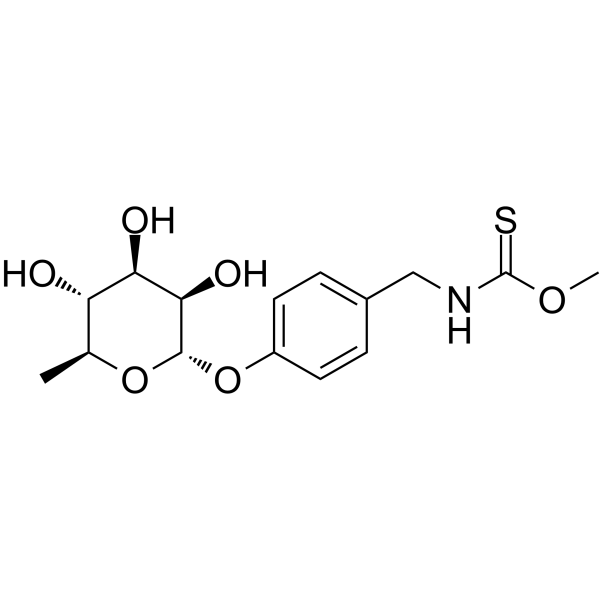 0 ImagesNiazinin is a thiocarbamate glycoside with antileishmanial activities, with an IC50 value of 5.25 μM. Niazinin also shows a binding affinity with the target protein 3CL protease. Niazinin has promising leishmanicidal, anti-inflammatory and anti-pyretic activity.
-
TbPTR1 inhibitor 2
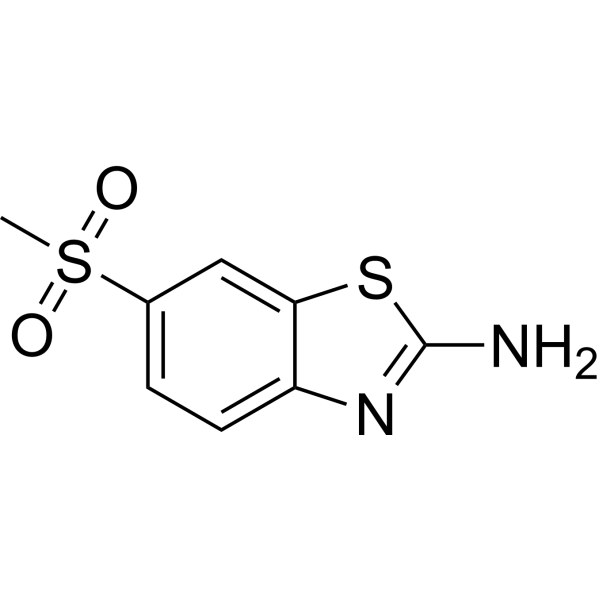 0 ImagesTbPTR1 inhibitor 2 (Compound 3a) is a PTR1 enzyme inhibitor, with IC50s of 34.2 and 32.9 μM for TbPTR1 and LmPTR1. TbPTR1 inhibitor 2 has anti-parasitic activity against T. brucei (IC50: 34.2 μM).
-
Yadanzioside F
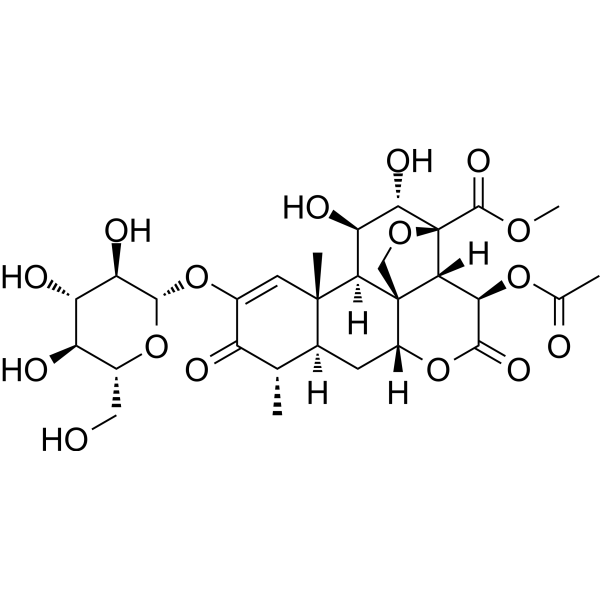 0 ImagesYadanzioside F is one of the toxic components found in Brucea javanica. Brucea javanica has demonstrated a variety of antitumoral, antimalarial, and anti-inflammatory properties.
-
Metronidazole-d4
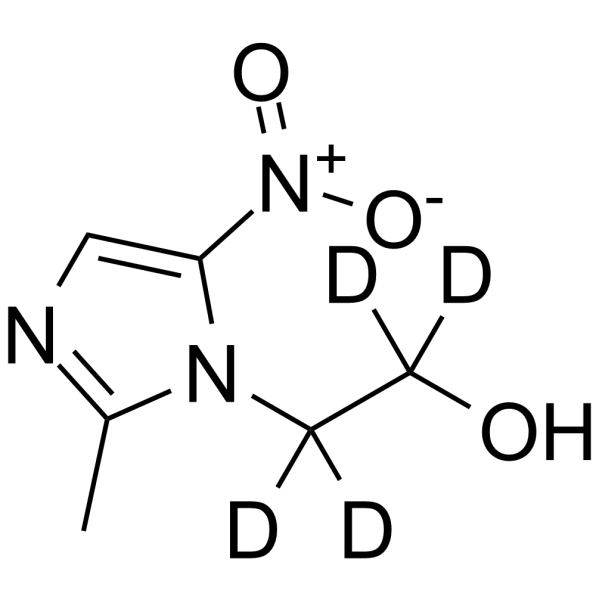 0 ImagesMetronidazole-d4 is the deuterium labeled Metronidazole. Metronidazole is a nitroimidazole antibiotic medication used particularly for anaerobic bacteria and protozoa.
-
NPD-2975
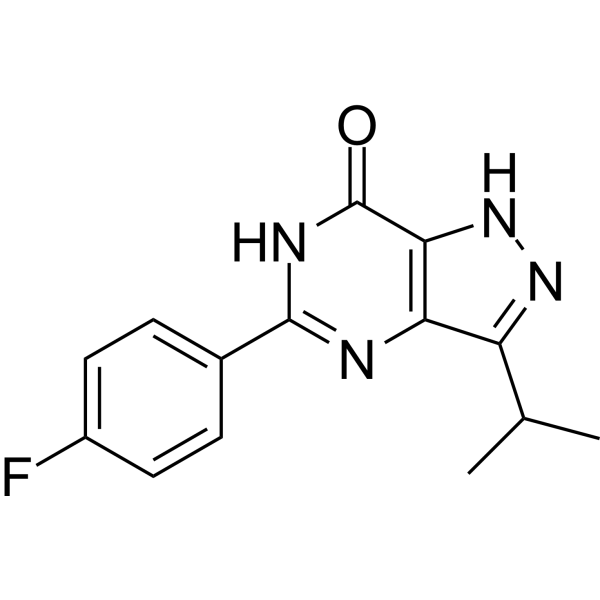 0 ImagesNPD-2975 (compound 30) is an orally active antitrypanosomal agent, against Human African Trypanosomiasis (HAT). NPD-2975 has low toxicity potential against human MRC-5 lung fibroblasts, and acute mouse model of T. b. brucei infection. NPD-2975 shows acceptable metabolic stability, inhibits T. b. brucei with IC500 of 70 nM in vitro. NPD-2975 also inhibits CYP enzymes resulted in IC50 values of 0.16 and 0.42 μM against CYP1A2 and CYP2C19, respectively.
-
Eflornithine hydrochloride hydrate (Standard)
 0 ImagesSynonyms: DFMO hydrochloride hydrate (Standard); MDL-71782 hydrochloride hydrate (Standard); RMI-71782 hydrochloride hydrate (Standard); α-difluoromethylornithine hydrochloride hydrate (Standard)Eflornithine (hydrochloride hydrate) (Standard) is the analytical standard of Eflornithine (hydrochloride hydrate). This product is intended for research and analytical applications. Eflornithine hydrochloride hydrate (DFMO hydrochloride hydrate) is a specific, irreversible inhibitor of the enzyme ornithine decarboxylase. Eflornithine hydrochloride hydrate is a medication for the treatment of African trypanosomiasis and excessive facial hair growth in women.
-
DNDI-6174
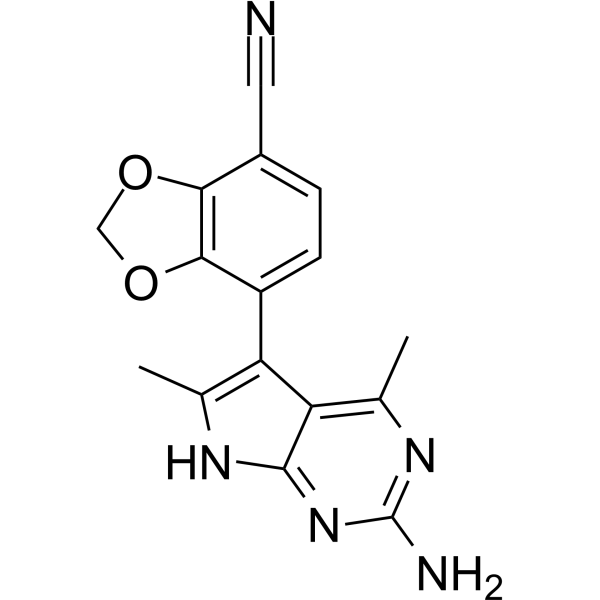 0 ImagesCat. No.: HY-162066CAS No.: 2868298-43-3DNDI-6174 is an orally active Leishmania cytochrome b (Qi site of cytochrome bc1 complex/complex III) inhibitor. DNDI-6174 binds to the Qi site of Leishmania cytochrome b, inhibits cytochrome bc1 complex activity in the parasite's electron transport chain across promastigote and axenic amastigote stages. DNDI-6174 reduces parasite burden in rodent models, inhibits growth of various Leishmania species, drug-resistant clinical isolates, and Trypanosoma cruzi, with marginal activity against Trypanosoma brucei. DNDI-6174 can be used for the research of visceral leishmaniasis, cutaneous leishmaniasis.
-
Girinimbine
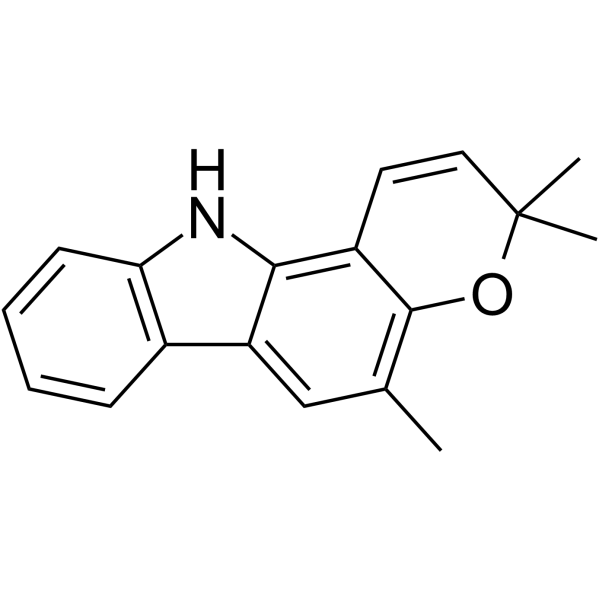 0 ImagesSynonyms: GirinimbinGirinimbine (Girinimbin) is a carbazole alkaloid with a variety of biological effects. Girinimbine can induce apoptosis, and has antitrypanosomal, antiplatelet activity, antibacterial activity, anti-inflammatory, antioxidant and antitumor activities.



